Plant your secret milkweed in fall!
How to save the world with plants #06 by @cast-iron-garden.bsky.social
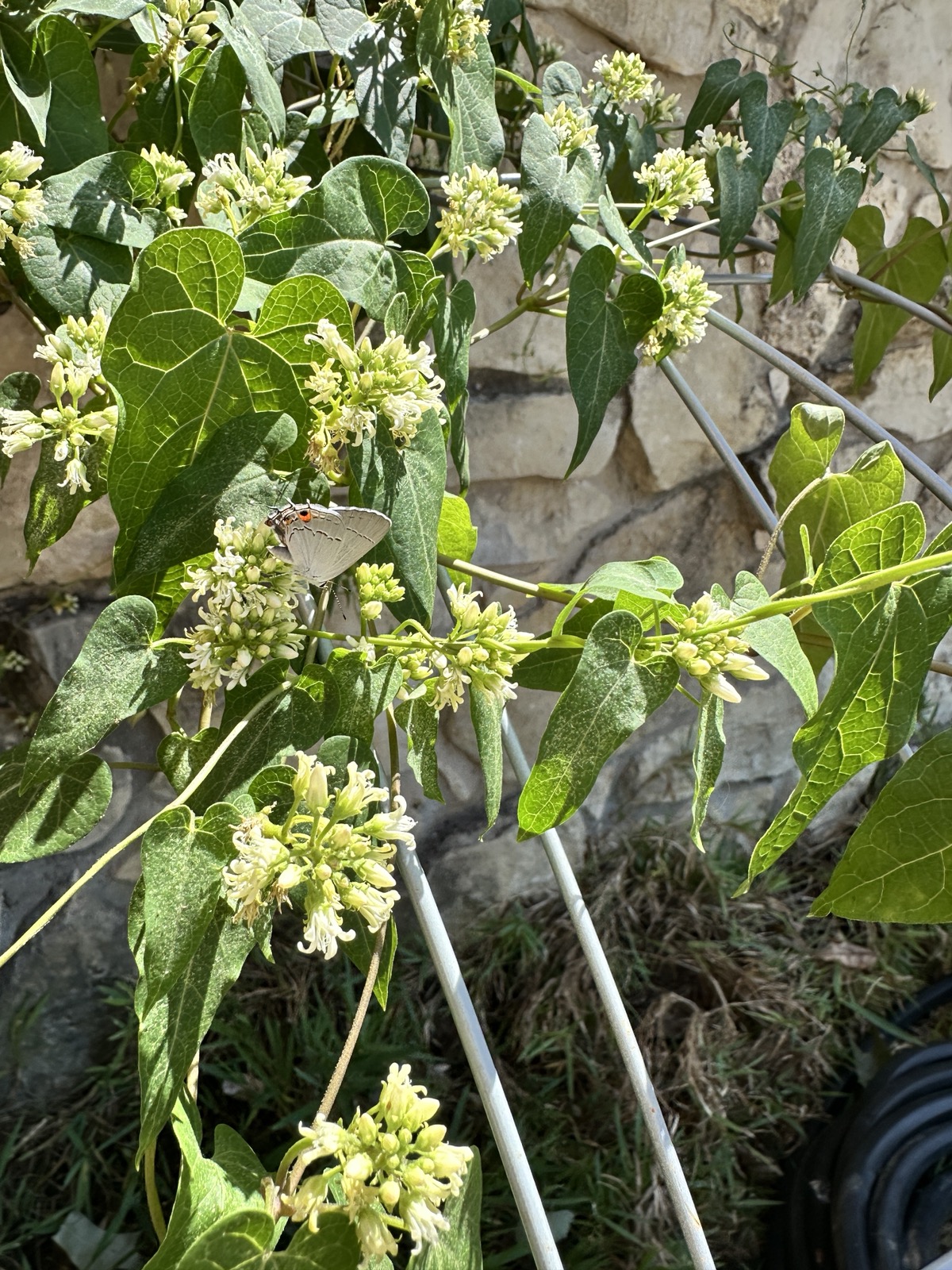
One of the easiest milkweeds to grow may already be volunteering in your garden already, disguised as a weed. A weed is just an unwanted plant. You may want this one after all!
Who can eat it?
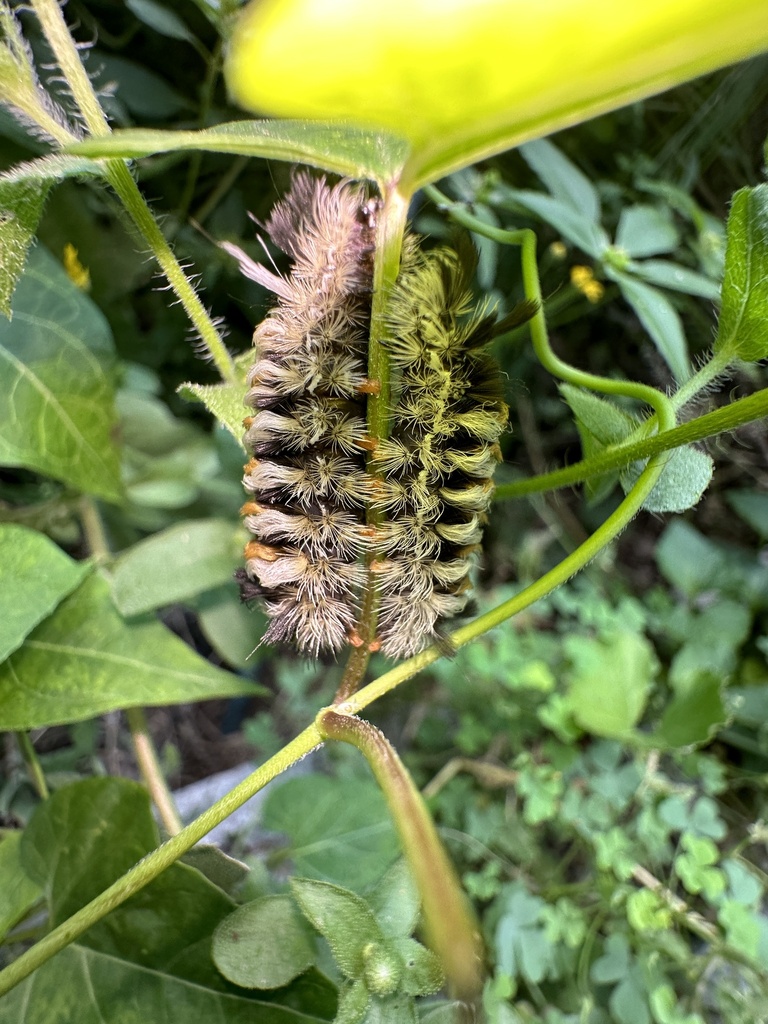
Monarchs love to eat these leaves, as do other milkweed specialists like Milkweed Tussock Moths. Many generalist pollinators will drink the flower nectar.
When can I plant it?
Now! November through April is the easiest time to plant native perennials like this milkweed. Email me castirongarden@pm.me for free milkvine seeds if you live in Norman (until I run out). Occasionally a nursery will carry them as well.
Where does it grow?
During this record dry summer, my milkvines leaning on a hot rock wall facing west barely needed any extra water. They can survive dry to damp conditions in sun to part shade.